|
Kiwi
songs - Maori songs - Home
The
British Empire's invasion of the Ottoman Empire on Anzac
Day in 1915, and its consequent plundering of Arab
villagers' oilfields, gave 5 decades of prosperity to
New Zealanders, but it has created more than 100
years of misery for Arab peasants.
We played
together, Isaac and me,
Now looking back, what do we see? You stole our love, oh woe is me. 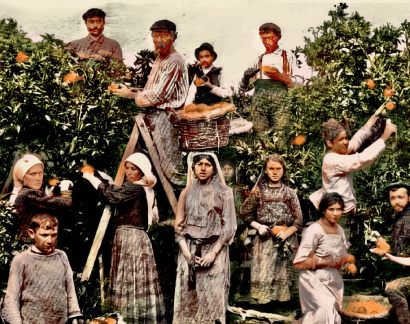 Jews
and Muslims picking oranges together c.1910
— 1 — My father’s
hands were earth and grace,
in this ancient, storied place Nablus Valley, green and grand, The truest love in all the land. But men with chainsaws came by night, To kill his trees and steal the light. They left just stumps, a ghostly row, To watch our future fail and go. You stole our trees, يا ويل لي (yah why lu li) 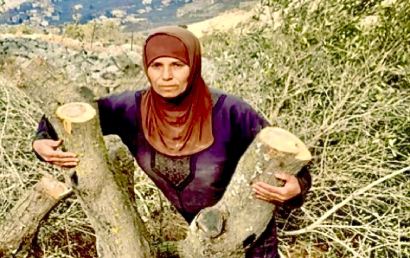 z z
Olive
orchard destroyed by illegal settlers, February 2023
My grandmama was just a
child,
When Irgun’s terror, sharp and wild, Came to her village, took their all, Then watched its humble rooftops fall They drove her family from their home to crowded camps, no land to farm. A legacy of smoke and fear that we still carry, year on year. You stole
our homes, يا
ويل لي (yah
why lu li)
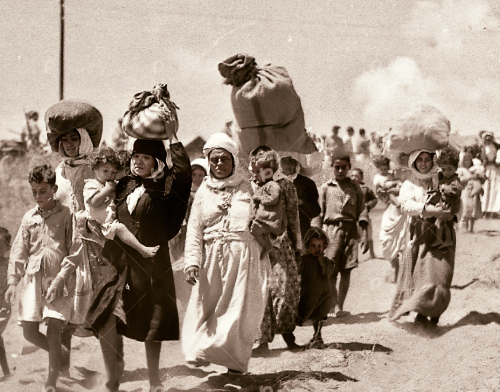
The
Nakba, 1948-49
—
3 —
My
great-grandmaam she felt the blast,
When English planes their fury cast a shadow on our simple life and fed a new, unending strife. Her Bedouin
uncle, strong and brave,
had fought for promises they gave. Took Aqaba for English kings: A hollow tune their history sings. You stole
our trust, يا
ويل لي
(yah why lu li)
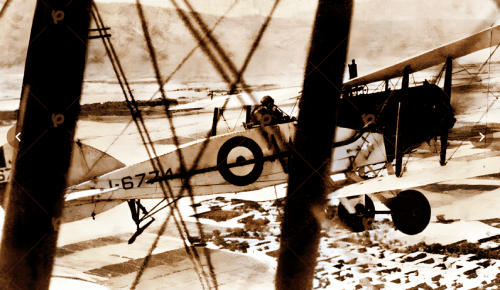 RAF
bombing an Iraqi village prior to strafing the villagers,
1921
—
4 —
The English promised us the
sun,
But when the Turkish rule was done, They broke their word and stole our prize, With lies reflected in their eyes. They stole our land, they stole our oil, With poison gas and bombing roil. Then brought the Zionists to our gate, And sealed our people’s cruel fate. You stole our land, يا
ويل لي (yah
why lu li)
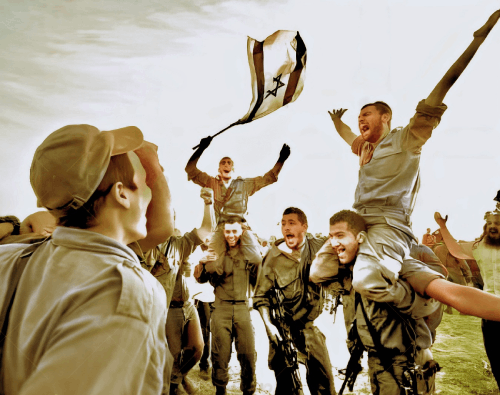 Zionists
1949
—
5 —
So now I
stand on dust and stone,
Where once the silver olives shone. My father’s grave, a simple mound, On this, our own and sacred ground. The soldier’s
boot, the settler’s claim,
They only know our people’s name to curse and push us to the sea. What future have they left for me? We played
together, Zac and me,
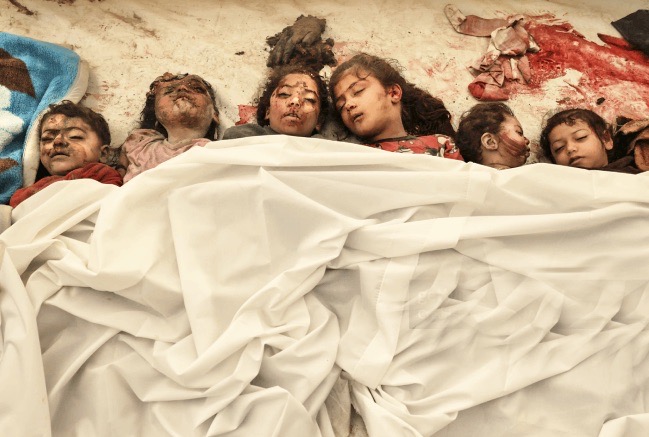
Now looking back, what do we see? You stole our dreams, يا ويل لي (yah why lu li) 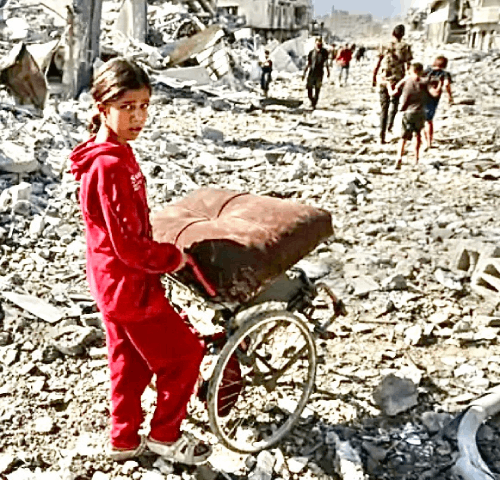 Gaza
2025
—
6 —
And you, Oh Kiwi
far away Your grass so green, your cities
bright
1. Nablus Valley - it is famous for its pure Castile soap, free from any allergy-causing additives, made with virgin oil from the olive trees, many of them hundreds of years old, growing on its hillsides. Men with chainsaws... "I have lived in Burin since I was born, 61 years ago, working as a farmer for most of those years in groves of about 700 olive trees. My village is situated in Nablus valley, now surrounded on three sides by the illegal Israeli settlements of Yitzhar, Har Bracha and Givat Ronin. These hilltop towns loom over us getting ever bigger and more threatening. The settlers, many from America, are extremists, who simply want to destroy us and take our land. "On Friday I learnt that the Israelis had put up posters calling on settlers to “obliterate” Burin. The next day I went to look to find that they had uprooted trees – some hundreds of years old. Others were cut down to their trunks with the olive branches taken. "Our village is regularly ransacked by young men from the settlements. It is a sport for them. Our school and agricultural college have been damaged too, while burning cars is treated as a game." The Guardian, 5th March 2023 2.
The Nakba - this is the Zionist
Israelis' violent ethnic cleansing of Palestinian Arabs,
along with the suppression of their culture, political
rights, and national aspirations. It began in 1948 and
continues to this day with Israel's ongoing persecution and
displacement of them.
In 1948, over 500 Arab-majority towns and villages were depopulated when about half of Palestine's predominantly Arab population — around 750,000 people — were made to flee by Irgun and other Zionist terror gangs, and later by Israeli soldiers. By 1949, Zionists controlled 78% of Palestine. Wikipedia 3. RAF Bombing - The English used the RAF's flying machines to carpet-bomb any undefended village in order to keep the Iraqi warriors at home. "Within
45 minutes a full-sized village can be practically
wiped out, and a third of its inhabitants killed or
injured, by four or five machines which offer them no
effective means of escape."
Until the Arabs finally gained
control of their oil in 1973, this cut-price stolen oil made
road-building, transport, shipping and agricultural
production in New Zealand very cheap and profitable, and
made New Zealand one of the world's richest nations.
Other songs about Anzac Day Another song by "Fatima Salaam"
Lyrics by John Archer, who
is looking for a tune-writer and Arab Kiwi woman to
sing and record it. |